
Defining the future of Google Search
Designed the UI framework, interaction model, and visual design system for a Smart TV service that brought live sports data, player stats, and fantasy content into the living room — without interrupting the game.
UX STRATEGY · DESIGN SYSTEM · TEAM LEADERSHIP · USER RESEARCH · MOBILE FIRST
1.5B
Daily users served
75
Projects shipped
23M
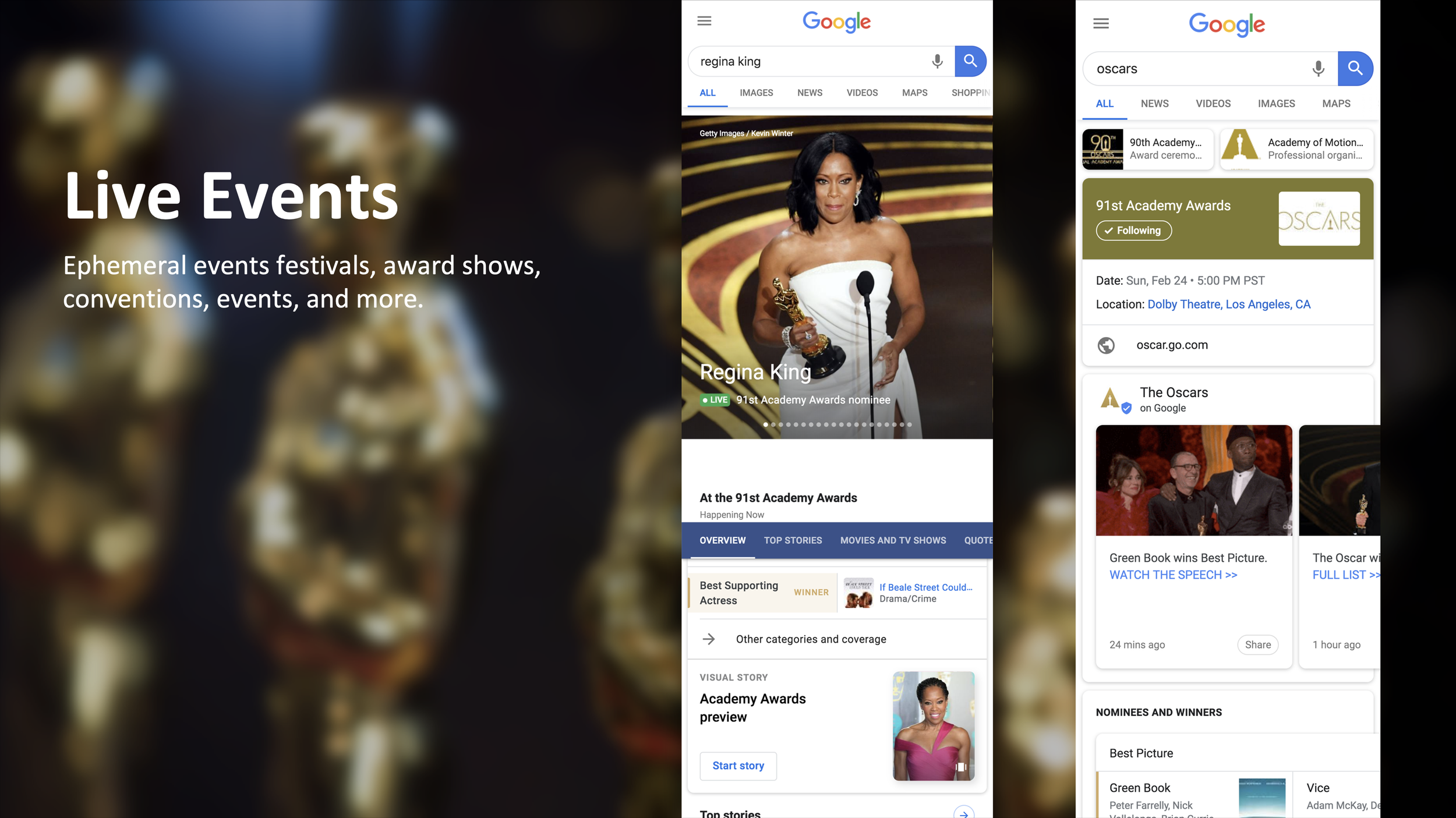
Queries for the Oscars vertical alone
40%
More time spent on page vs. previous year

Building a team and a strategy from scratch — simultaneously
In 2015 I joined Google as a UX Design Manager to lead a team of 8 interaction designers responsible for the end-to-end user experience of Google's Search Verticals — sports, finance, books, health, elections, crisis response, entertainment, and live events. I oversaw both mobile and web experiences and was responsible for defining the responsible evolution and innovation of the platform.
The context mattered: 90% of the team was new to Search, including me. 44% were new to Google entirely — for three team members it was their first job. Rather than waiting for the team to find its footing, I drove a shared innovation process immediately — aligning partners and stakeholders on a common product vision grounded in user research before a single screen was designed.
Scope
19 work streams · 12 search verticals · 3 organizations
Team
8 interaction designers · 90% new to Search · Led design workshops and vision sprints
Strategy
Reusable component architecture to scale verticals faster and at lower cost
THE PROBLEM
The world's most used product was teaching users to leave.
Google Search is used by billions of people daily — but almost entirely as a transaction. Because the algorithm surfaces the best answer first and duplicates content down the page, users had learned a simple behavior: scan the top three results, click the first useful link, leave. 70% of users only ever see results one, two, and three. 75% refine their search before seeing a fifth result.
For high-traffic verticals — sports, finance, health, breaking news — Google had invested in rich experiences. But those verticals only covers 33% of the query stream, is expensive to develop, and ultimately the info is becoming commoditized. The vast middle of the query stream — the upper and lower torso — was being served generic links.
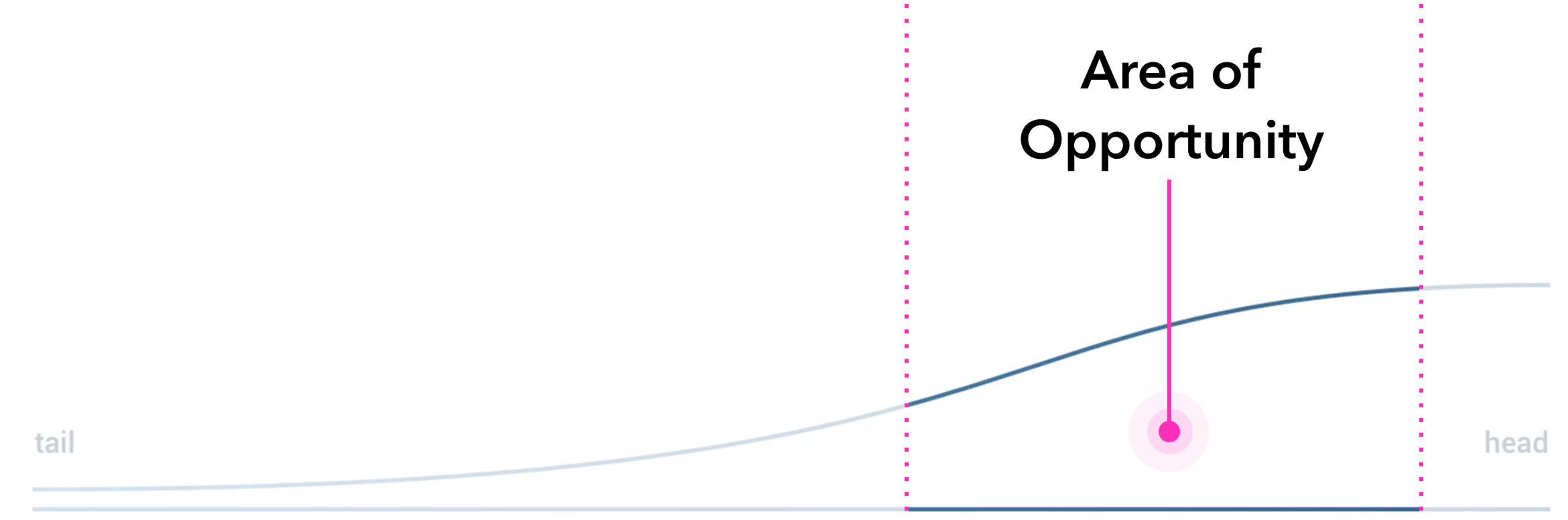
Typically we designed unique solutions for each vertical which increases time and cost.
MY ROLE
Understanding the next generation of Search users
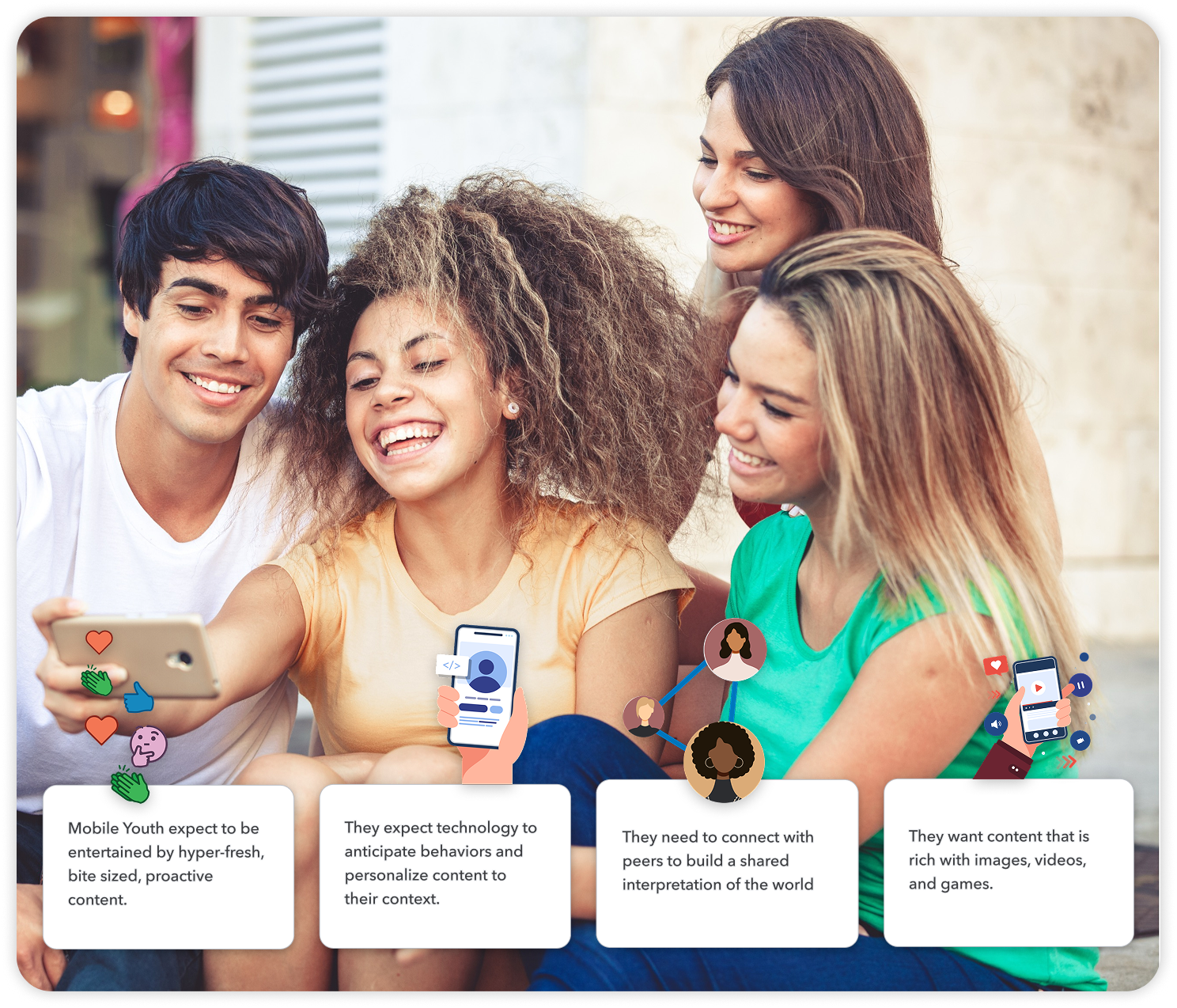
In 2015, my team was issued a challenge by executive stakeholders: reimagine Search as an intelligent, assistive, mobile-first experience that would appeal to the next generation of users. We started with research.
Research method: I collaborated with the UX Research team on generative research studies, then organized and facilitated a cross-org workshop to build shared understanding of findings across partner teams. Getting alignment on the user before the design accelerated every decision that followed.
RESEARCH EXECUTIVE SUMMARY
Reusable components as a design strategy
The head verticals took 6–18 months each and required unique solutions every time. That model couldn't scale to serve the torso of the query stream. The V·A·S·T (Verticals at Scale Team) strategy used a reusable component architecture to change that equation entirely.
To execute, I organized the team into pods — each a designer, PM, and engineer — assigned to specific use cases from the user journey. I oversaw the design strategy across all pods, facilitated Vision Workshops to unlock ideas and accelerate alignment, and advocated consistently for reusable components as the mechanism that made scale possible.
Six verticals. One design system.
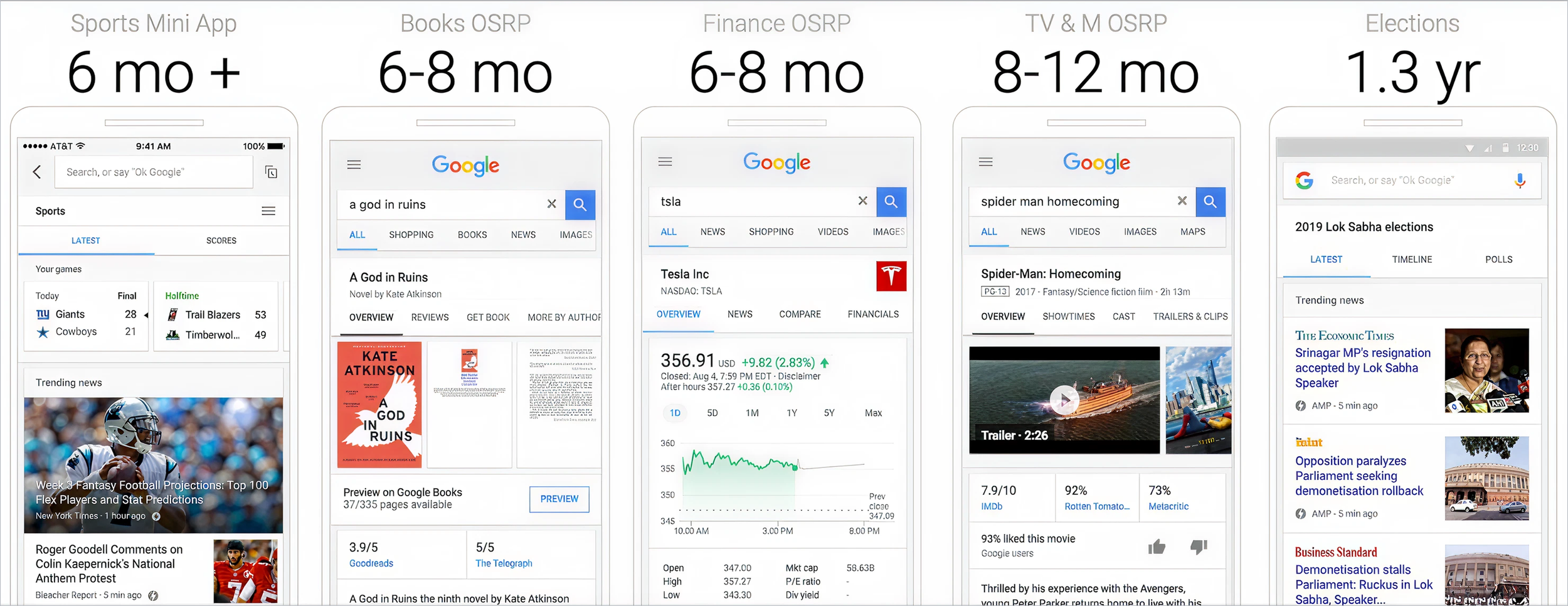
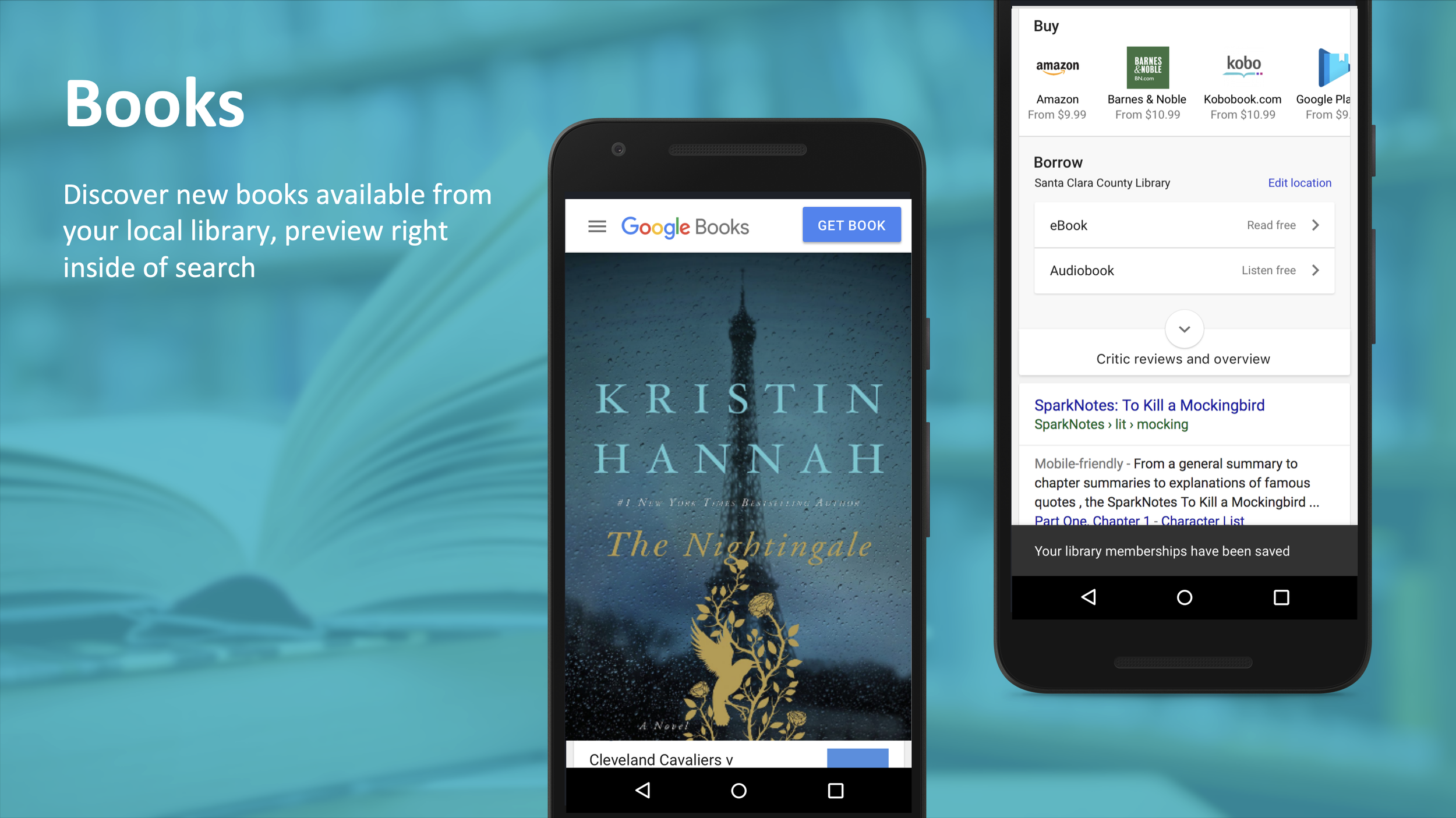
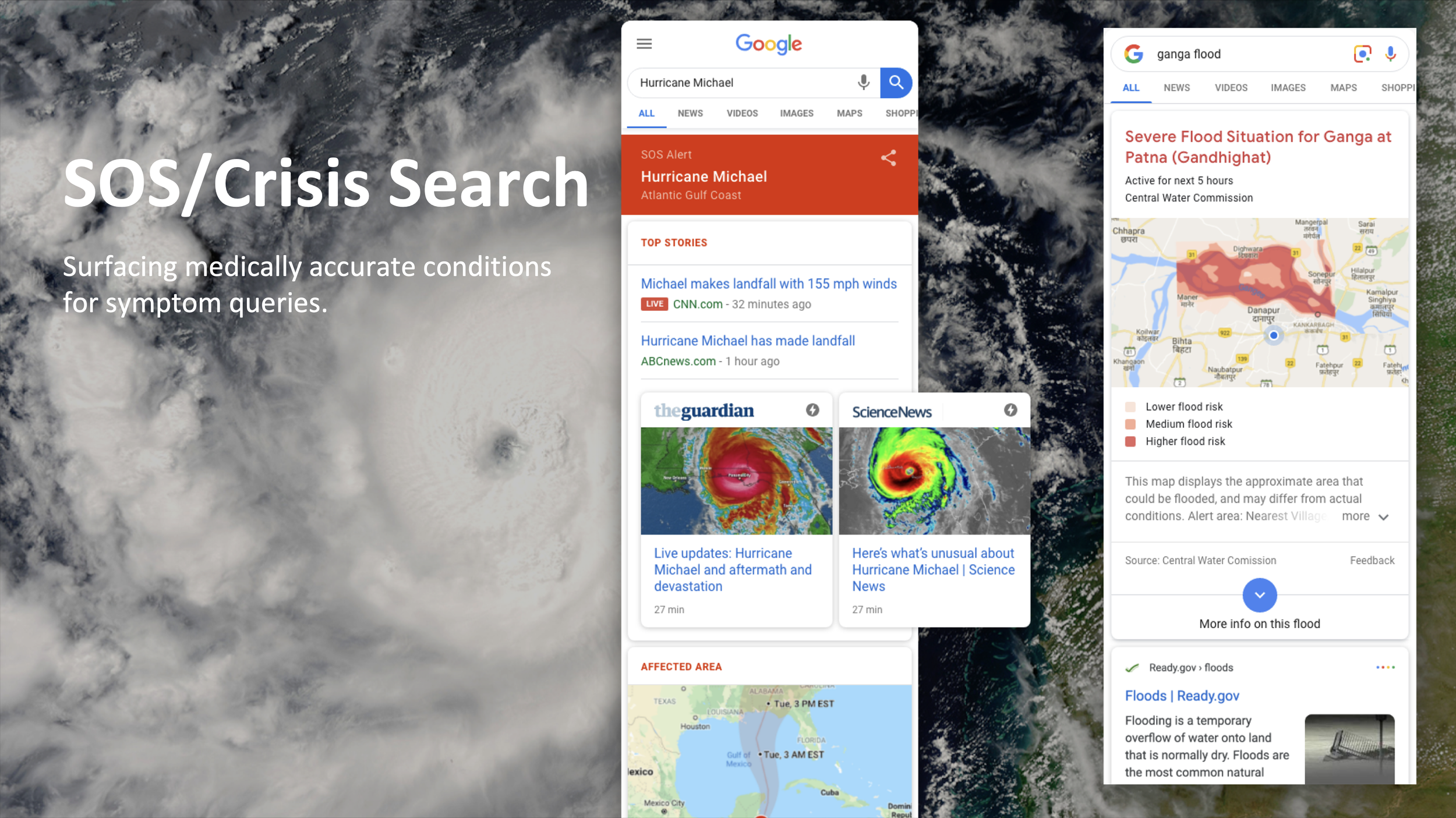
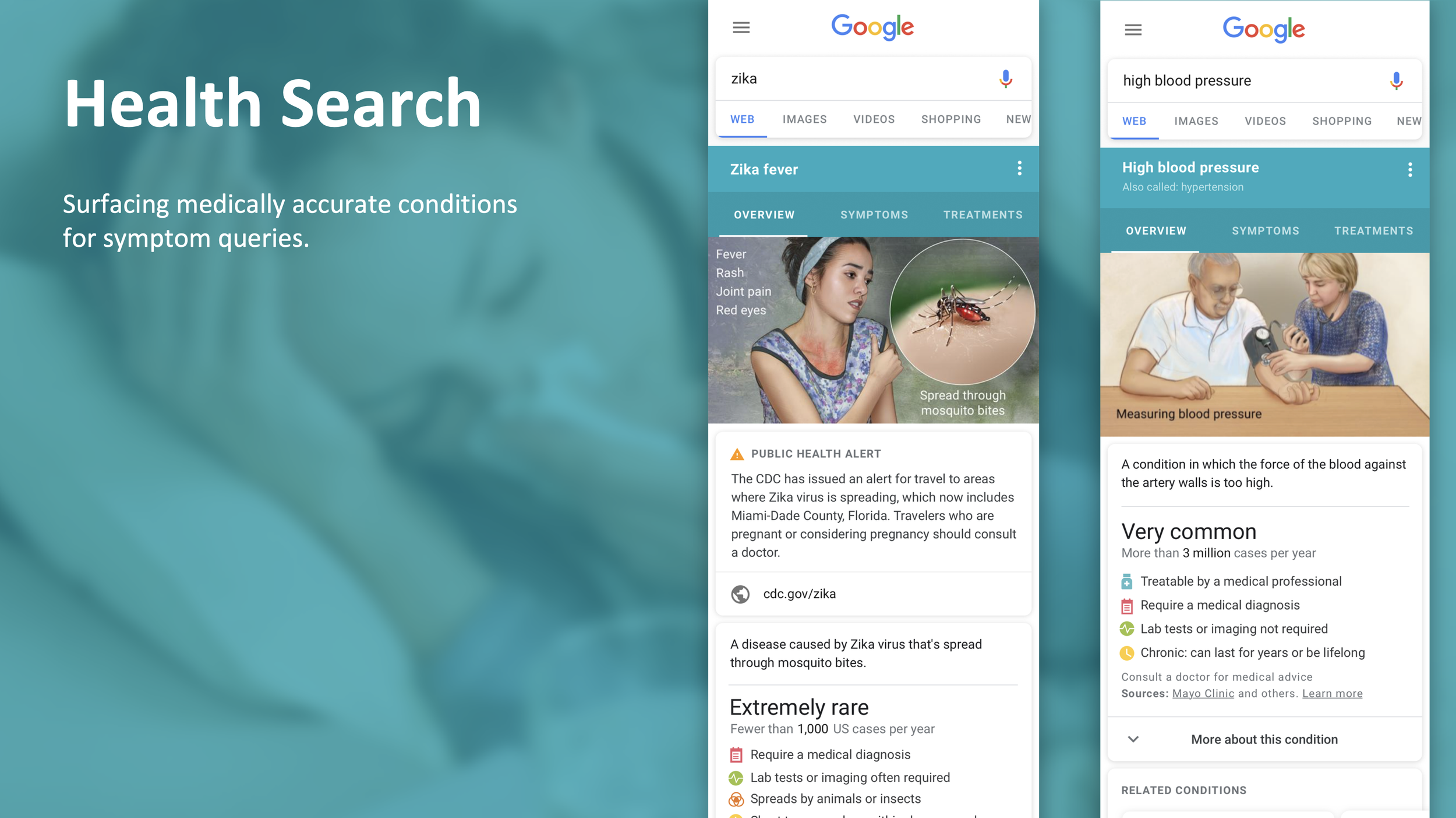
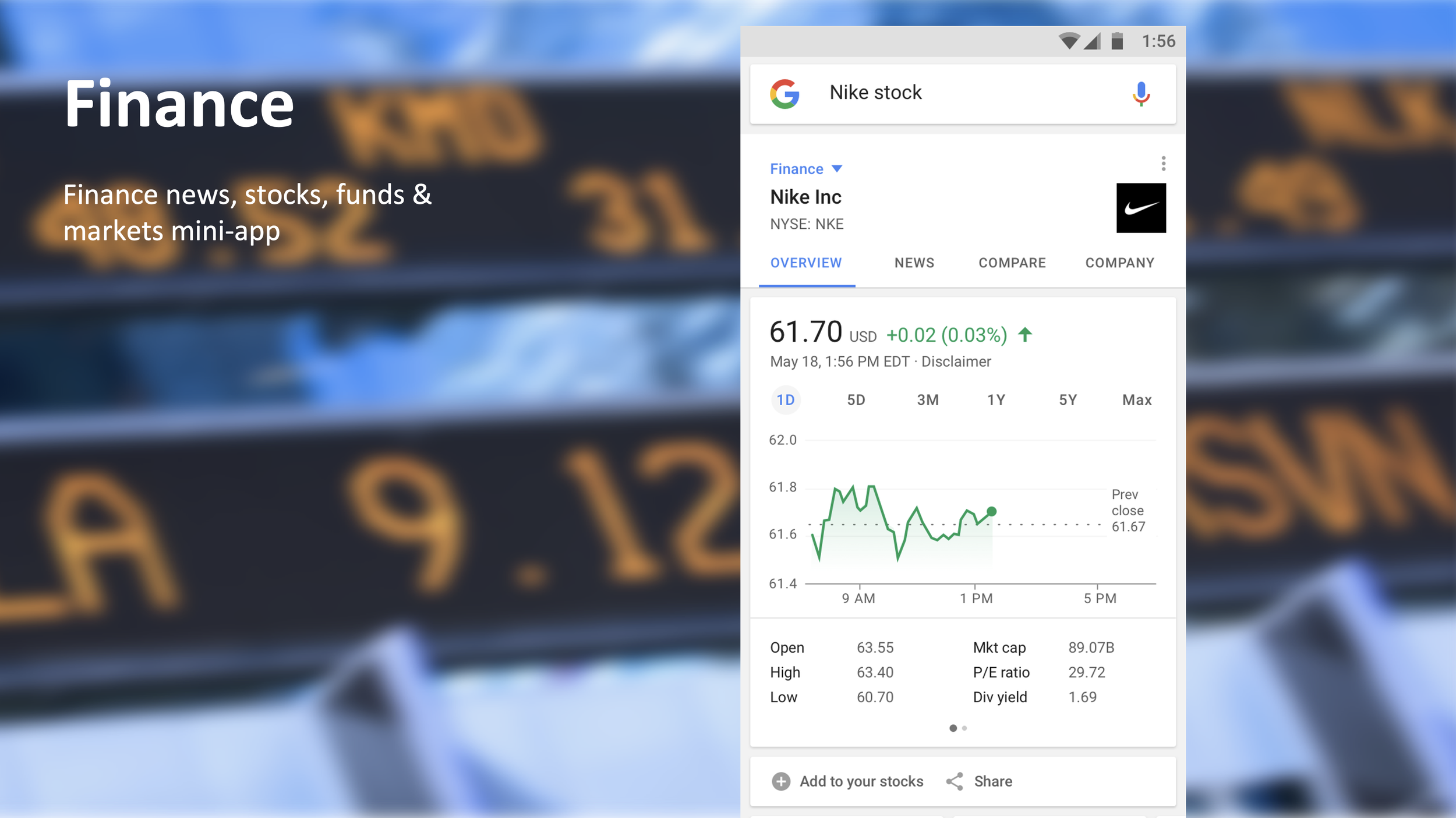
Each vertical was a distinct information problem — different data, different user needs, different stakes. The design system had to flex to serve all of them without fragmenting into twelve separate products. Every example below shipped to production and served real users..

Outcomes
23M
Queries for the Oscars experience — beating the previous year's record
10K+
Ephemeral event pages organized in 2017 for culturally relevant events globally
40%
More time spent on page · Heavy interaction throughout with no drop-off
19
Work streams organized across 12 verticals and 3 organizations
75
Projects shipped per year at peak — from a team of 8 designers
1.5B
Daily users served by the verticals my team designed and shipped
WHAT I LEARNED
A design system doesn't just create consistency. It changes the trajectory of a product and unlocks team velocity
The biggest lesson from five years at Google wasn't about any individual vertical — it was about how design thinking can change the trajectory of a product at scale. Advocating for reusable components wasn't a design systems decision, it was a business decision: it changed how fast the team could ship, how many users we could serve, and how much the work could compound over time. The art of storytelling — building a shared vision through research and workshops before a line of code was written — was what made all of it possible.